News & Articles
-
March 1, 2026
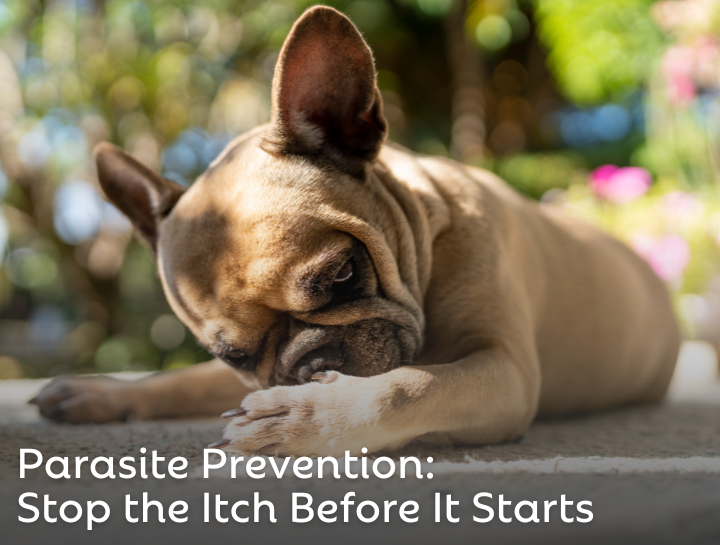
Parasite Prevention: Stop the Itch Before It Starts
Discover how to identify the silent signs of infestation and learn how to protect your dog or cat from the hidden dangers of fleas, ticks, and heartworms.
READ MORE -
February 1, 2026
How Dental Care Needs Change at Every Life Stage
Dental health is a critical part of your pet’s lifelong health. Learn how home dental care can go a long way toward helping protect your pet against dental disease and related problems.
READ MORE -
January 16, 2026
Boredom Busters: Indoor Enrichment Ideas for Happy Pets
A guide to preventing pet boredom during winter through interactive play, independent food puzzles, and a structured weekly enrichment calendar.
READ MORE -
January 15, 2026
Proactive Health Screening For Your Pet
A wellness visit is more than just a checkup. It's a chance to talk with your veterinarian about your pet's lifestyle, to understand potential risk factors that might develop as they age, and to establish a diagnostic baseline while your pet is healthy.
READ MORE -
December 21, 2025
6 New Year’s Resolutions for a Happier, Healthier Pet
Setting goals for your pet and establishing healthy habits enhances their well-being and happiness.
READ MORE -
November 4, 2025
Food Coma? How to Tell if Your Pet Just Ate Too Much
Pets may overeat or suffer bloat. Know the signs to keep your furry friend safe.
READ MORE -
October 7, 2025
Your Comprehensive Guide for Animal Safety and Protection
A comprehensive guide to ensuring your pet's safety and well-being, covering topics from vet care and home pet-proofing to emergency preparedness and pet sitting.
READ MORE